Mugham heritage
A dominant school of performance
Karabakh Mugham traditions influenced performance styles across Azerbaijan.

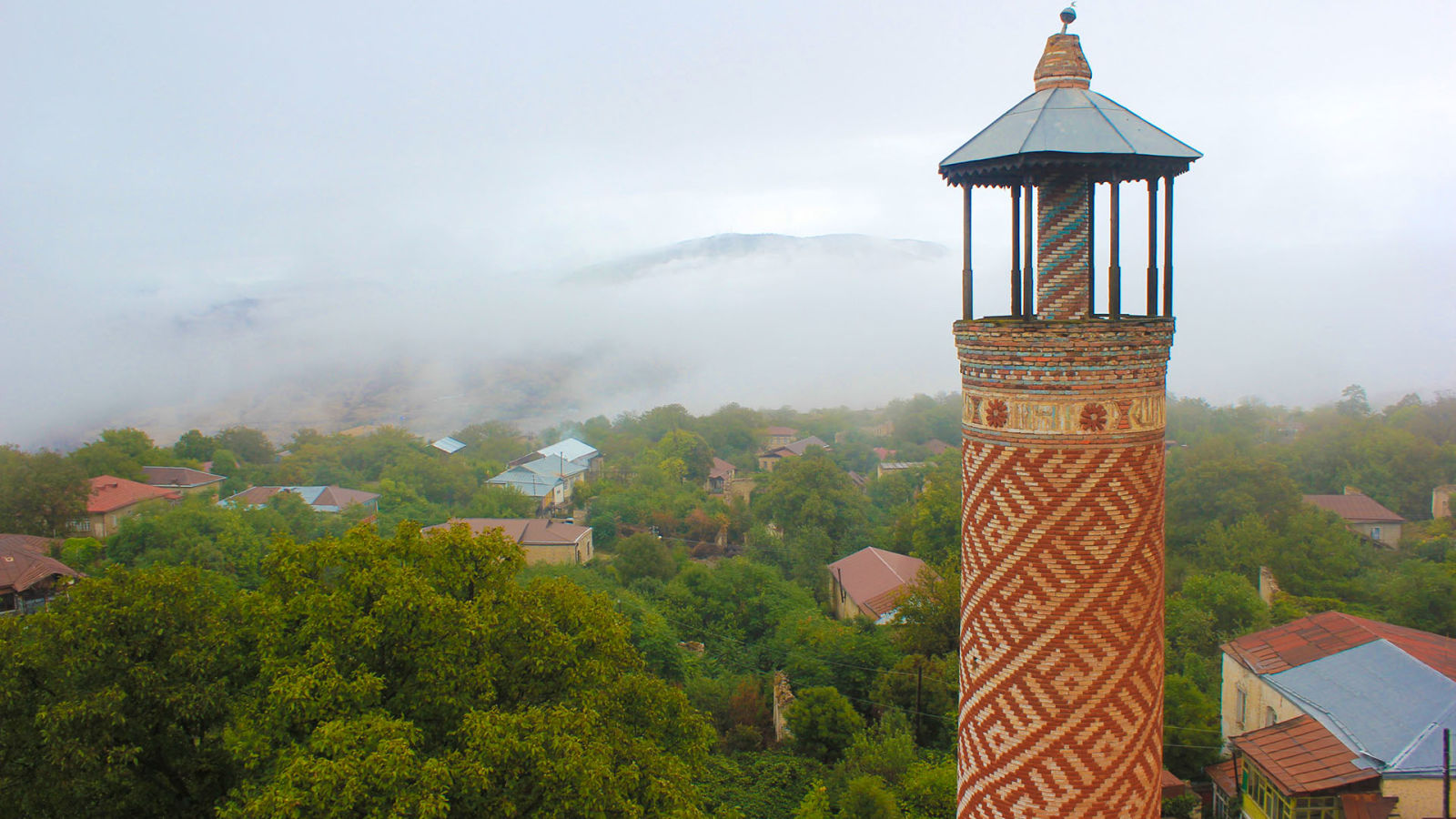
Karabakh is a historical cultural region—more than one city—known for music, poetry, carpets, craftsmanship, cuisine, and mountain-to-steppe hospitality traditions.
From Shusha’s music and poetry traditions to mountain villages known for storytelling and craft, Karabakh’s heritage is shaped by art, landscape, and everyday social rituals.
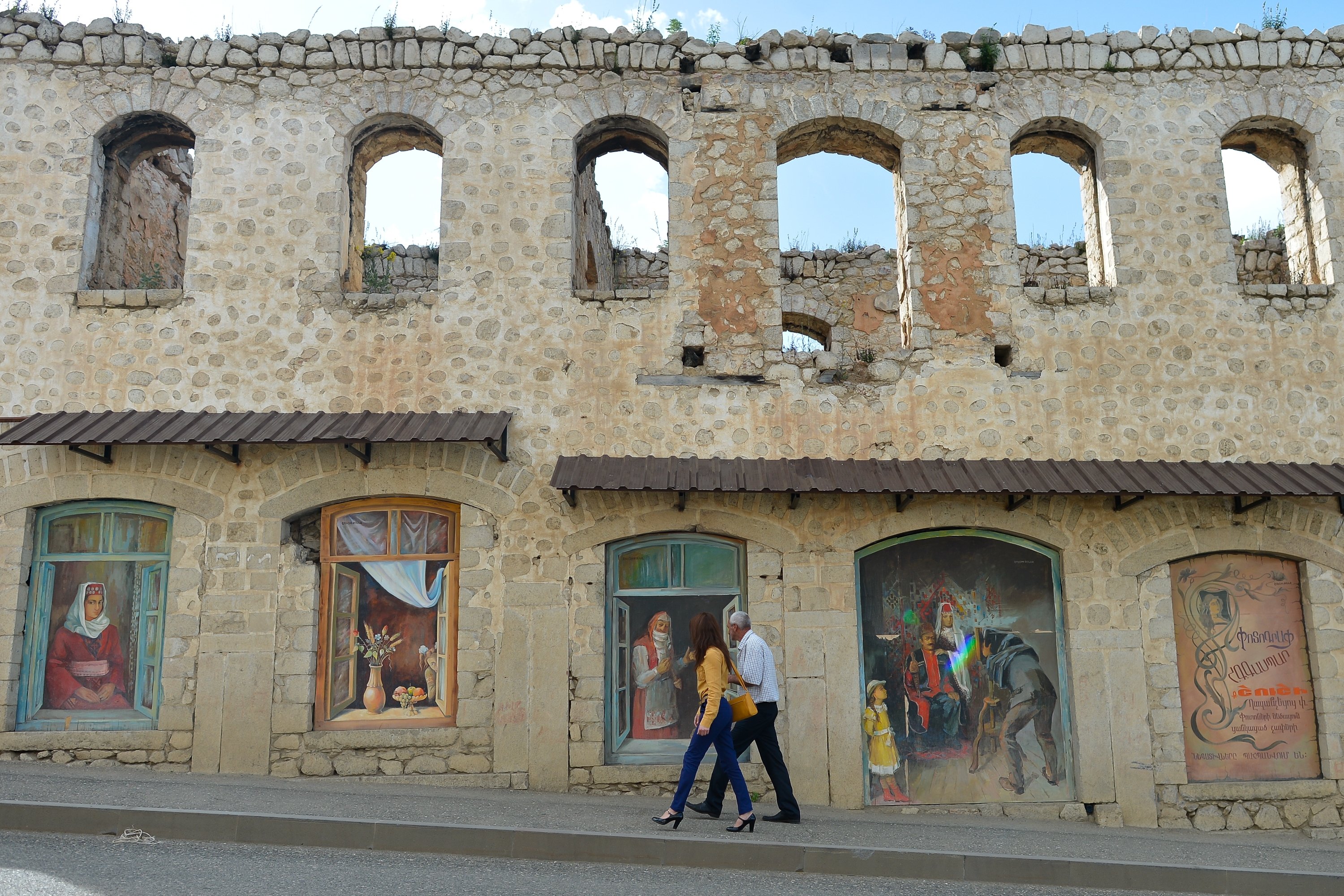
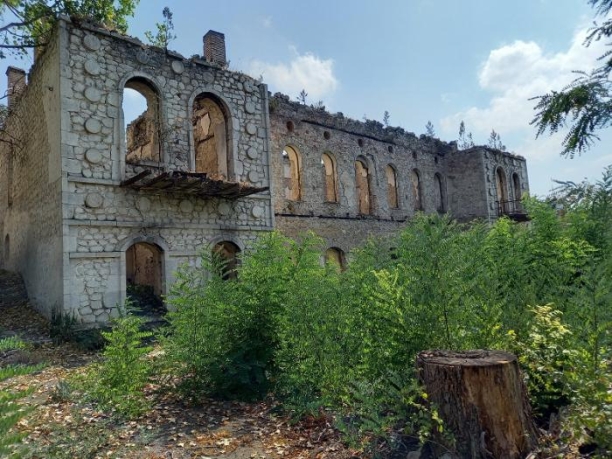
Shusha is historically associated with Azerbaijan’s classical music and literary culture. It is known as the birthplace of Uzeyir Hajibeyov (founder of Azerbaijani classical music) and as a home of prominent cultural figures such as Bulbul, Khan Shushinski, and Natavan.
Karabakh’s Mugham tradition has long been influential, while ashug storytelling traditions remain strong in mountain areas such as Lachin and Kalbajar. Poetry salons and musical gatherings shaped the region’s identity, and modern festivals aim to revive and share these traditions with new audiences.
Karabakh Mugham traditions influenced performance styles across Azerbaijan.
Narrative songs and saz culture remain tied to village life and gatherings.
Poetry, music, and social salons shaped cultural memory and identity.
The Karabakh Carpet School is one of Azerbaijan’s major carpet traditions, known for distinctive compositions and recognizable patterns. Historic styles are often associated with named local designs such as Dragon carpets, Bakhchadagullari, Malibayli, and Shusha carpets.
Traditional weaving draws on mountain sheep wool and natural dyes made from plants and minerals. Knowledge is passed through generations, with motifs reflecting local taste, symbolism, and regional identity. Today, cultural revival efforts include workshops, exhibitions, and craft tourism routes.
Karabakh cuisine reflects pastoral life, seasonal produce, and hospitality culture. Food is often built around gatherings—family tables, celebrations, and welcoming guests. Techniques and dishes vary between mountain villages and valley settlements.
Karabakh traditions are lived daily—how guests are welcomed, how community gatherings happen, and how seasonal rhythms shape village life. In many places, social culture still centers around conversation, courtyards, and shared events.
Traditional crafts span textile work and functional objects—made to be used, gifted, and displayed. Cultural revival efforts include craft tourism initiatives, exhibitions, and restored cultural spaces.
Start with these cultural highlights and routes across Karabakh.