
Land of living traditions
A practical cultural overview: how music, poetry, craftsmanship, and cuisine connect across the region — and how to experience them without rushing.
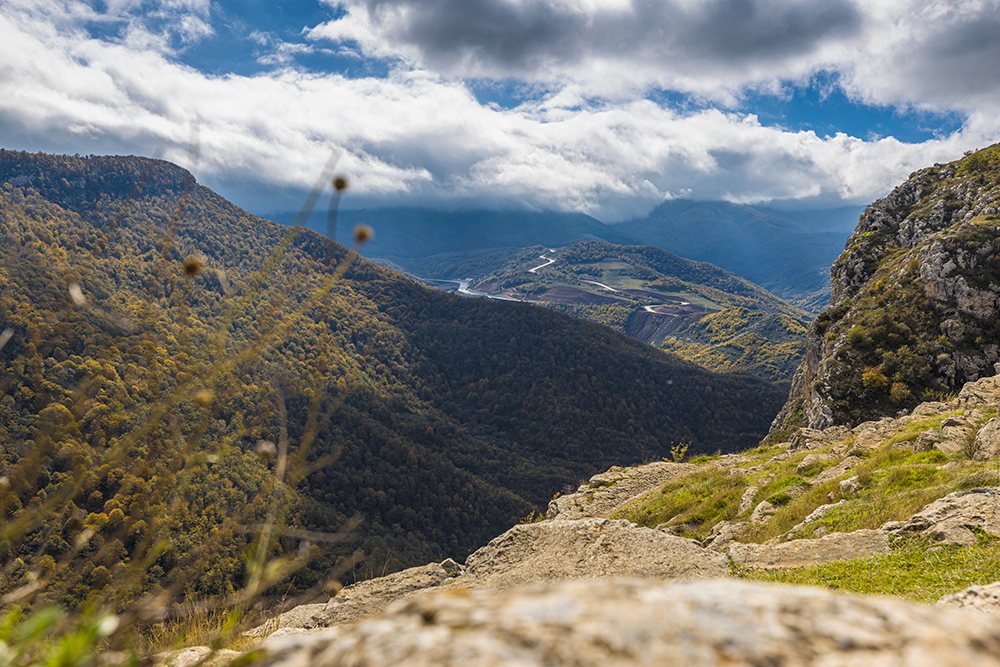
Karabakh is often described through mountains and valleys, but its identity is equally shaped by living culture — performance traditions, poetic memory, craftsmanship, and the everyday hospitality that turns a visit into a shared rhythm.
Music heritage you can actually feel
In Karabakh, music isn’t only a concert — it’s a cultural language. The best way to experience it is through small, curated stops: museums, heritage streets, and venues where local stories connect the past with the present.
If you only have half a day, pair one cultural stop with a slow walking route. That combination gives context, not just photos.
- Choose 1 main music-related stop (museum / heritage site).
- Add 1 walkable street or viewpoint route nearby.
- End with a calm café/meal stop to slow the pace.
Poetry and storytelling: how to visit without it feeling abstract
Poetry and storytelling in the region are best approached as place-based context. Look for interpretive routes, local guides, or curated exhibits where names become human stories connected to streets, houses, and public spaces.
If your itinerary is tight, treat poetry as a layer: 20–30 minutes at a good exhibit beats trying to cover everything.
Craft traditions: what to look for
Craft heritage is often visible in patterns, materials, and techniques. Rather than hunting for a ‘perfect’ souvenir, focus on understanding motifs and workmanship — then buying becomes meaningful.
- Ask about motif meaning (floral, geometric, local symbols).
- Check material and finish quality (edges, density, consistency).
- Prefer fewer items with clearer provenance over many random items.
Cuisine and hospitality: the easiest way to connect
Food is the most direct cultural bridge. Build your day so you arrive hungry — then give yourself time. A rushed meal becomes just calories; a slow meal becomes context.
If you’re traveling with family, this is also the most universal experience: everyone remembers the table.
- Pick 1 cultural anchor stop (museum / heritage site).
- Plan 1 walk route with minimal transport switching.
- Leave 60–90 minutes for food — don’t compress it.
- Carry a light layer: evenings and viewpoints can be cooler.